Internship · Game Design & Accessibility
Playing Mantis
About
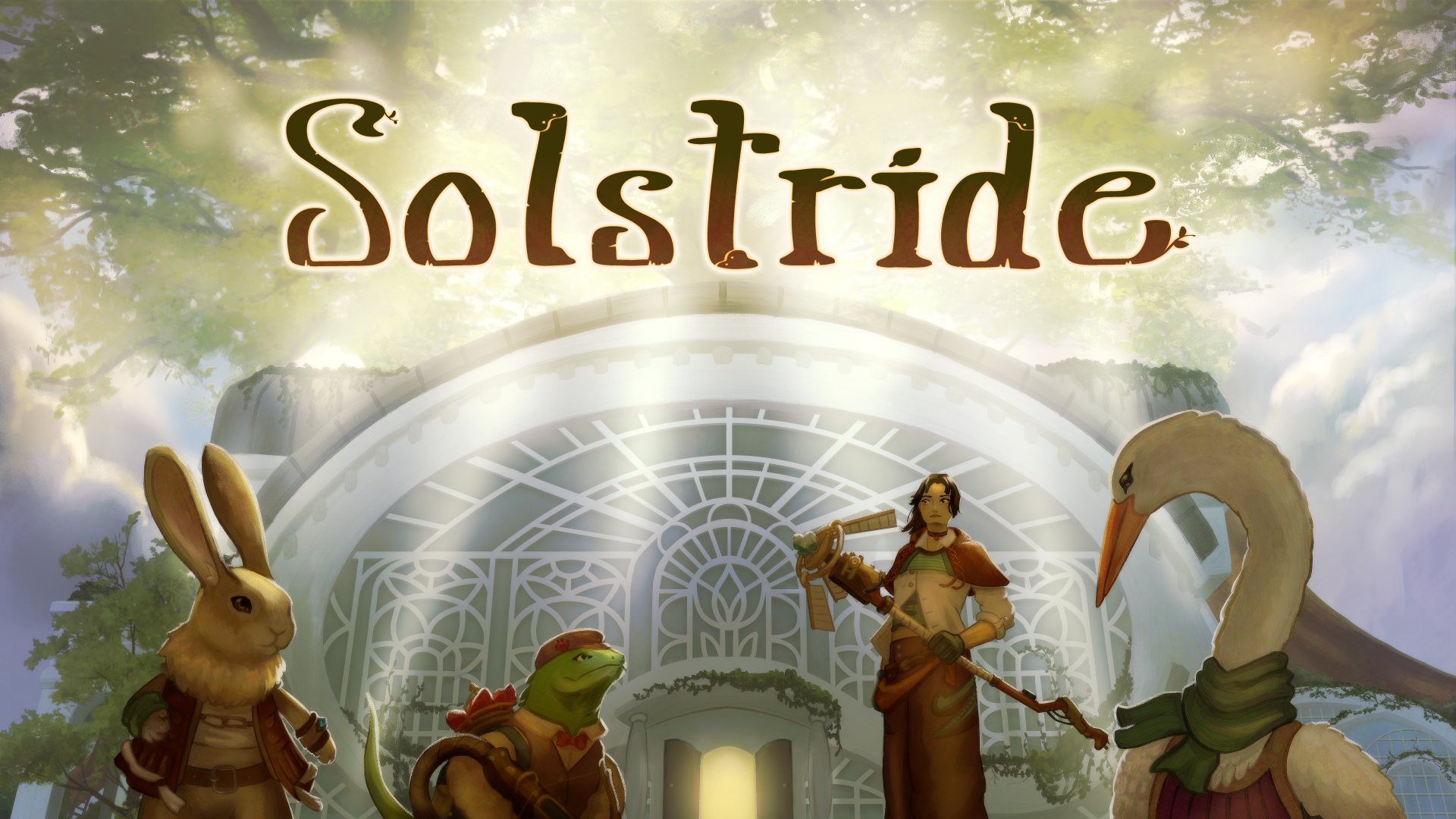
Playing Mantis is a small indie studio based in NRW, Germany, developing their first commercial title, Solstride — a cozy narrative roguelite set in a solarpunk world. Players journey through seasonal biomes with animal companions, face turn-based battles, and uncover story-driven synergies. "Every bond tells a story."
Over six months I contributed across game design, accessibility research, UI/UX, and QA — working closely with the team on both systemic design decisions and hands-on implementation.
Accessibility Research
My first focus was an in-depth accessibility audit of Solstride alongside analysis of comparable indie titles — Tiny Bookshop, Aethermancer, and Darkest Dungeon — evaluating gameplay loops, emotional hooks, and existing accessibility features across each.
From this research I authored a full Accessibility Strategy for the studio — a design framework built around the ACCÉSS principles: All-Inclusive, Clear, Consistent, Ethical, Sustainable, and Simple. The strategy addressed barriers across four player groups:
- Visual — scalable UI and text, high contrast, color customization with icons and patterns
- Auditory — subtitles enabled by default, fully customizable, audio cues as text overlays
- Cognitive — replayable tutorials, adjustable pacing, toggles for motion blur, screen shake, and flashes
- Motoric — customizable controls, QTE auto-complete toggle, adjustable sensitivity
The document was designed as a long-term studio reference beyond the internship. I also implemented a direct improvement in Unity: an opacity-based background system that increases contrast and visual readability across Solstride's UI.
UI/UX Design
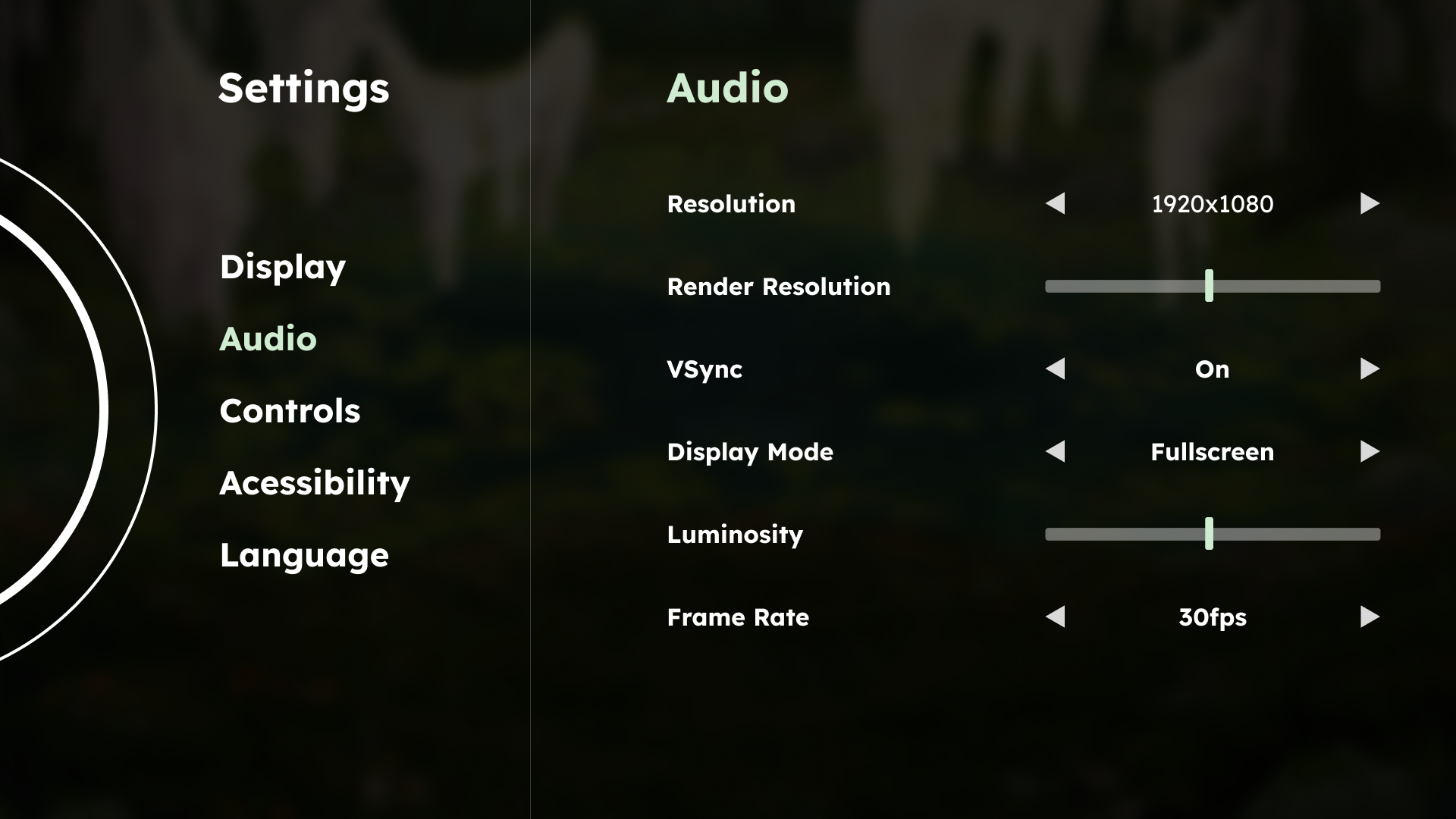
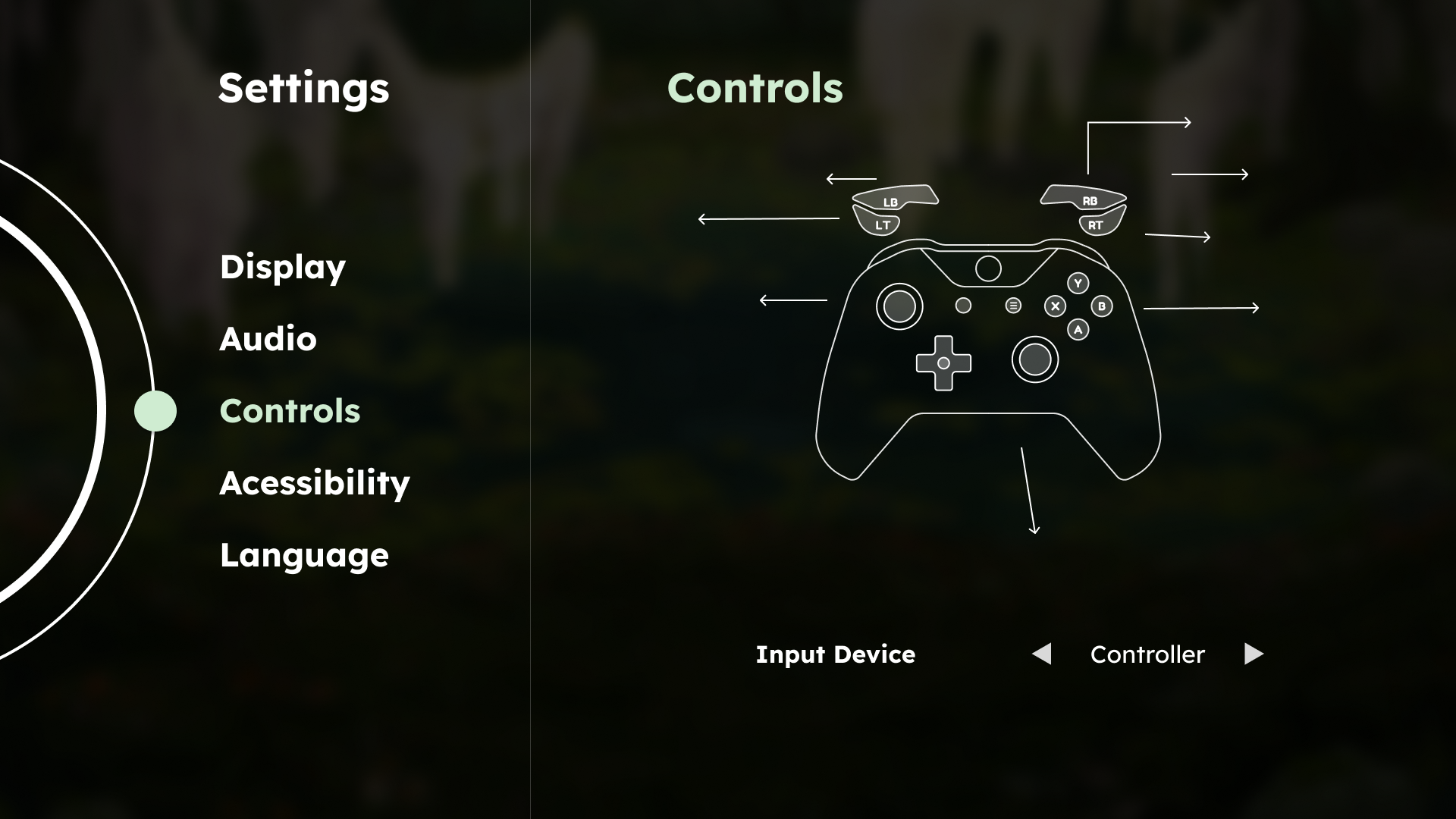
I redesigned the wireframes for nearly all of Solstride's core screens — main menu, settings, treasure room, quest UI, shop, and tutorial flow. The guiding principle was always clarity first, with accessibility and consistency built in from the start rather than layered on afterward.
The tutorial received particular attention. I restructured it as a step-by-step mechanics introduction — one concept at a time, in a sequence that mirrors how players actually build understanding — to eliminate the cognitive overload that comes from front-loading everything at once.
Game Design & Balancing
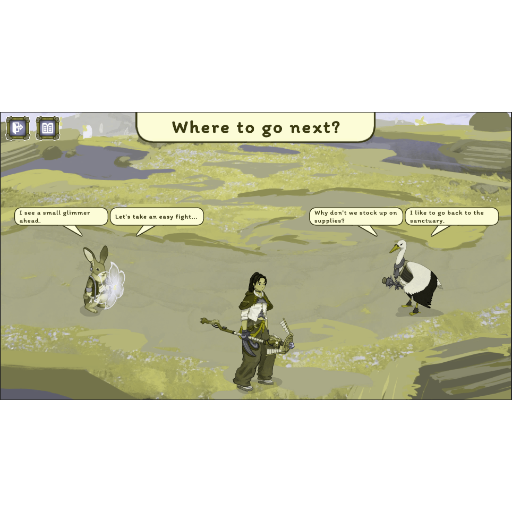
On the design side I worked closely on Solstride's synergy system — the interactions between player characters and their animal companions that form the core emotional and mechanical hook. This included refining existing synergies and designing new unique and biome-specific objects with special buffs.
I contributed new combat ability sets and helped develop new class archetypes — including a healer role — aimed at adding depth and variety without overwhelming players with complexity. The design challenge throughout was: how much is enough?
.png)
QA & Testing
I designed a structured playtesting system from scratch: three separate feedback forms targeting different tester groups — friends and family, professional or university testers, and internal QA — each calibrated for the information it could reliably gather. All responses fed into shared analysis tables for centralized tracking.
A dedicated accessibility feedback form was created separately, focusing on barrier identification and assistive feature usability. The system made it possible to see issues clearly across player profiles and act on them systematically rather than anecdotally.
Key Learnings
Six months at Playing Mantis reshaped how I think about my role as a game designer. I discovered that my strengths lie not only in creative ideation but in systematic thinking — designing feedback structures, building documentation, and translating research into actionable proposals. Accessibility went from being a feature area to a design philosophy I want to carry into every future project.
Working in a small studio meant taking real responsibility for decisions that shipped. That combination — creative ownership within a collaborative team — is exactly the kind of environment where I want to keep working.
.png)